Spray Foam Removal Wickford
Get Estimate

Cavity wall spray foam removal in Wickford

Specialist cavity wall foam extraction across Wickford and Essex


Cavity wall spray foam removal in Wickford is what we do every week, from 1930s semis off the London Road to new-builds near Wickford Town Centre. If foam was pumped into your cavity and a lender, surveyor or buyer has flagged it, we cut it out, clear the debris and leave the wall ready for a proper insulation upgrade. cavity wall foam extraction Wickford, done cleanly and with the paperwork your mortgage company asks for.

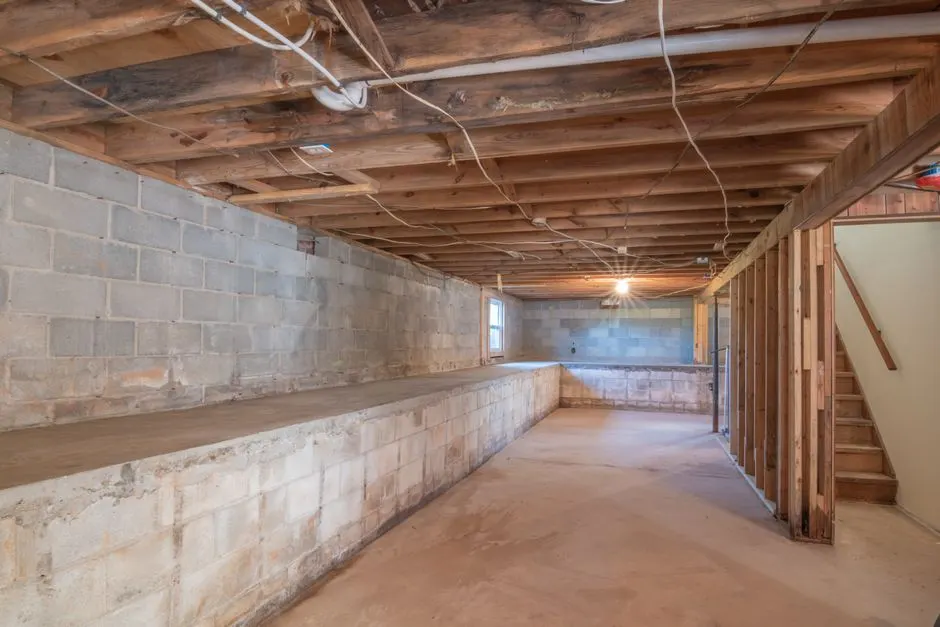
Empty basement with exposed wooden beams, concrete walls and stairs.
Licensed Licensed & Bonded
Fully Insured Insured & Bonded
24/7 Emergency Same-Day Response
Warranty Backed 4+ Years Trusted in Wickford

What our cavity foam removal includes

Every cavity wall spray foam removal in Wickford includes the survey, the removal itself, dust control, making good and the written report. There is no separate charge for the report or the photographs, and no day-rate risk if the job runs long. The only extras we quote separately are scaffold or access equipment on rendered or hard-to-reach elevations.

Full cavity survey

We inspect the cavity with a boroscope, identify whether the foam is open cell or closed cell, measure the depth and check for any bridging or damage to the inner leaf. You get a fixed written price the same day, with no charge for the visit.

Dust-controlled extraction

Floors and stairs are sheeted, doorways sealed and a negative air machine runs throughout. Foam is cut with a spray foam removal saw and multi-tool, then pulled out with an industrial vacuum. We clean down before we leave, every time.

Cavity photographs

We photograph the empty cavity at every opening point, which is the evidence lenders and valuers ask for. Images are included in the report at no extra cost and are dated and labelled by elevation.

Making good drill holes

Every opening is reinstated with matching brick or mortar to blend with the existing wall. On rendered elevations we patch with a compatible render mix. Most customers cannot spot where we worked once it has weathered in.

Written extraction report

The report sets out the foam type, depth removed, method used and includes the cavity photographs. It is written in the format valuers expect, and most customers receive it within 24 hours of the last hole being closed.

Waste disposal

Removed foam is bagged and disposed of through licensed waste routes, with transfer notes available on request. We do not leave foam or debris on site, and we do not mix it with general waste.

Cavity wall spray foam removal in Wickford explained


Cavity wall spray foam removal in Wickford is the controlled cutting, breaking up and extraction of injected polyurethane foam from the gap between your inner and outer leaf. The foam was sold as a quick fix for cold walls, but once it sets it traps moisture against the brickwork, bridges the cavity and stops the wall breathing. We open the wall at intervals, break the foam down with a spray foam removal saw and an oscillating multi-tool, then pull it out with an industrial vacuum and a negative air machine so dust stays outside your home.

Most Wickford calls we take are mortgage-driven. A surveyor spots spray foam in cavity walls, the lender withholds funds, and the sale stalls until the cavity is clear. Others are homeowners in Runwell or Shotgate who have watched a damp patch spread across an internal wall and want it sorted before winter. If you have been searching for cavity wall spray foam removal near me Wickford, we cover the whole town and the villages around it, including Battlesbridge and Rettendon.

How our removal process runs

Every job follows the same five stages, whether it is a two-bed terrace in Shotgate or a detached house in Downham. You get a fixed price before we start and a written report when we finish.

01

Schedule

Call or book online — a real human picks up and confirms a 2-hour arrival window.

02

Diagnose

Licensed tech inspects on-site, then walks you through the cause and your options.

03

Fix

The job is completed to code and done right the first time — no shortcuts, no surprises.

04

Guarantee

Every job backed by a written workmanship warranty — and we stand behind it.

Tools and methods we use

Tools & Equipment

Spray foam removal saw

Cuts through rigid closed cell foam at each opening without transferring heat into the brickwork. It is the fastest way to break the foam into sections that can be pulled out.

Oscillating multi-tool

Used around edges, lintels and pipework where the saw will not reach. It lets us cut foam away from services and timber without risking damage to either.

Industrial vacuum

Pulls loose foam fragments and dust out of the cavity as we work. It runs continuously at each opening so debris never builds up inside the wall.

Negative air machine

Creates a pressure difference that keeps dust and foam particles out of your living space. It is set up before we cut and runs until the job is finished.

Respirator and protective clothing

Foam dust and isocyanate residues are not something to breathe. Every technician works in a fitted respirator, coveralls, gloves and eye protection for the full shift.

Boroscope

Lets us look deep into the cavity after extraction to confirm no foam is bridging the leaves. The images it captures also go into your report.

Dry ice blasting machine

Used on delicate brick and timber where abrasive methods would cause damage. Dry ice pellets freeze and lift foam residue without leaving a wet or gritty mess behind.

Methods & Standards

Interval opening and extraction

We open the outer leaf at 1 to 1.5 metre intervals and clear the foam section by section. This is the only reliable way to confirm the whole cavity is clear, and it gives us the photograph points lenders want to see.

Dust-controlled working

Negative air and industrial vacuuming run from setup to pack-down. Floors and stairs are sheeted and doorways sealed, so the rest of your home stays usable while we work on the wall.

Boroscope verification

After extraction we inspect each opening with a boroscope and photograph the empty cavity. Any remaining foam or bridging is picked up at this stage, before the holes are made good.

Licensed waste handling

Removed foam is bagged on site and disposed of through licensed waste routes. Transfer notes are available if your lender, buyer or insurer asks for evidence of correct disposal.

When to book cavity foam removal

01

A buyer's surveyor has flagged spray foam in the cavity walls and the lender is holding funds.

What we do: We survey within 48 hours, remove the foam and issue the extraction report with cavity photographs. We work to your deadline and can prioritise jobs where a completion date is at risk.

→ The lender reassesses on the report, the retention is lifted and the sale completes without a second inspection.

02

You have owned the property for years and a damp patch keeps returning despite repeated repointing.

What we do: We inspect the cavity, confirm whether foam is trapping moisture, and if so remove it and check the inner leaf for damage. Any failed mortar joints are noted for your builder.

→ The cavity drains and dries, the damp patch stops spreading and the internal wall can be redecorated and kept dry.

03

You are remortgaging and the new lender's valuer has queried the insulation in the walls.

What we do: We carry out cavity wall foam extraction Wickford, document the foam type and depth removed, and provide the report and photographs in the format the valuer expects.

→ The remortgage proceeds without a retention, and you have a documented record of the cavity condition for future sales.

04

You want to fit proper cavity insulation but the installer will not touch the wall while foam is present.

What we do: We clear the foam completely, leave the cavity clean at every drill point and confirm with a boroscope that nothing is bridging the two leaves. Your chosen installer can then go straight in.

→ New insulation performs as designed, with U-values improving from around 0.55 to 0.30 W/m2K on a typical Wickford semi.

How cavity foam removal runs in Wickford

Wickford sits on a mix of building stock that shapes how we work. The town centre and older streets are dominated by 1930s semis with 50mm cavities, which is exactly the kind of wall that was targeted by foam installers in the 2000s. Move out to Runwell, Shotgate and Crays Hill and you get 1960s and 1970s estates with wider cavities and more bridging risk. The Essex climate matters too: we get driving rain off the south-west, and a foam-filled cavity on a west-facing elevation is the classic recipe for a damp patch appearing two winters later. If you have been looking into how to remove cavity wall spray foam Wickford, the answer is the same regardless of the wall type, but the access and the make-good change. Rendered elevations in Ramsden Bellhouse and Downham need patching with a compatible mix, while bare brick in Battlesbridge can usually be repointed to match. We have also cleared foam in properties around Battlesbridge and Rettendon where the same installer did the loft at the same time, so we check the roof space while we are on site.

Neighborhoods We Serve

  • Wickford Town Centre

    Mostly 1930s semis with narrow cavities and original brickwork. Access is usually straightforward, and we can work from ground level without scaffold on most elevations.

  • Shotgate

    A mix of post-war terraces and 1970s estates. We see a lot of closed cell foam here, often paired with a damp patch on the west-facing wall.

  • Ramsden Bellhouse

    Larger detached properties, frequently rendered. Make-good needs a compatible render mix, and access to upper elevations sometimes requires a tower.

  • Battlesbridge

    Older properties with soft brick and wide mortar joints. We use lower-impact cutting methods here to avoid damaging the outer leaf.

  • Hullbridge

    Detached and semi-detached homes close to the river, where wind-driven rain makes a foam-blocked cavity particularly prone to damp.

Local Conditions We Plan For

  • Driving rain on west-facing elevations

    Foam traps that water against the inner leaf, which is why damp patches so often appear on the back or side wall rather than the front. Removing the foam lets the cavity drain again.

  • Narrow 50mm cavities in older stock

    There is less room to work, so we use the multi-tool more and the saw less. It adds roughly half a day to a typical job but avoids damaging the inner leaf.

  • Rendered and pebbledash elevations

    Making good takes longer because the patch has to match the existing finish. We quote for this at survey rather than adding it on afterwards.

  • Foam installed alongside loft insulation

    Where the same installer foamed the rafters, we check the roof space during the cavity job. Clearing both in one visit saves a second setup and a second round of disruption.

Mortgage stalled semi in Shotgate

Before

A three-bed semi in Shotgate had closed cell foam pumped into the cavity by a previous owner. The buyer's surveyor flagged it, the lender withheld funds and the sale had been stuck for five weeks with no sign of movement.

After

We cleared 9 cubic metres of foam over two days, photographed the empty cavity at 14 opening points and issued the report within 24 hours. The lender reassessed on the report alone and the sale completed 19 days later.

Maintenance: Keep the report with your property documents. If you fit new cavity insulation, use a product accepted by lenders and keep the installer's certificate alongside it.

Before

A homeowner had repointed the outside wall twice in three years and the damp patch in the back bedroom kept returning. The cavity was full of foam holding water against the inner leaf, and the plaster was blown up to about a metre from the floor.

After

We removed the foam over two days, confirmed with a boroscope that nothing was bridging the leaves, and made good 12 drill holes. The wall dried out over the following month, and the plaster was replaced and painted without the damp returning.

Maintenance: Check the external mortar joints each autumn and keep gutters clear. With the cavity empty, any future water ingress drains away instead of sitting against the inner wall.

Before

An older property in Battlesbridge had foam in both the cavity walls and the roof rafters, installed in one job years earlier. The loft smelled damp, one rafter had started to soften and the owner was worried about roof rot.

After

We cleared the cavity and the rafter foam in a single visit, restoring airflow through the roof space. The softened rafter was treated and monitored, and the loft dried out over the summer. The owner now has photographs of the cleared timbers for their records.

Maintenance: Keep loft ventilation clear and check the roof space each spring for any sign of damp or insect activity. Airflow is what keeps the timbers dry.

Problems our Wickford cavity removal solves

Foam in a cavity causes a small number of predictable problems, and we see all of them across Wickford. Here is what each one looks like and how we deal with it.

Problem

Mortgage refused due to spray foam in the cavity

The sale stalls, the buyer walks or the lender demands a retention, and you are left paying for a property you cannot sell or remortgage.

Our Fix

We remove the foam, photograph the cleared cavity and issue a report in the format valuers accept. Most lenders reassess on the strength of that document alone, without ordering a second inspection.

Problem

Damp patches spreading on internal walls

Foam seals the cavity, so rainwater that gets past the outer leaf has nowhere to drain. The damp climbs the plaster, blows the paint and eventually reaches the floor joists.

Our Fix

Cavity insulation removal Wickford carried out early stops the spread. Once the foam is out, the cavity drains and dries, and the internal wall usually settles within a few weeks. We check for any timber damage before we close up.

Problem

Cracked mortar and bulging brickwork

Closed cell foam expands as it cures and pushes against the outer leaf. On soft brick, that pressure shows as cracked mortar, stepped cracks and in bad cases a bulging wall.

Our Fix

Removing the foam relieves the pressure before the outer wall needs repointing or rebuilding. We inspect the brickwork at survey and flag any structural concern so you can get a builder involved before the removal starts.

Problem

Foam blocking roof ventilation

When the same installer foamed the loft as well as the cavity, rafters get sealed and the roof cannot breathe. Timber softens, and you end up with spray foam causing roof rot.

Our Fix

We clear the cavity and, if needed, the loft and rafters in the same visit. Once airflow is restored, the roof structure dries out and we photograph the cleared timbers for your records.

Why clear the cavity foam out

Why clear the cavity foam out

Leaving injected foam in a Wickford cavity rarely ends well. These are the four outcomes our customers actually care about, and each one is measurable.

  • Unblocks your mortgage

    Most high-street lenders will not lend against a property with spray foam in the cavity walls. Once we have removed the foam and issued our extraction report, your lender's valuer can reassess the property. We have cleared cavities in Battlesbridge and Ramsden Bellhouse where sales completed within three weeks of the report landing.

  • Stops trapped damp

    Closed cell spray foam seals the cavity, so rainwater that gets past the outer leaf has nowhere to drain. We see this most on west-facing walls in South Woodham Ferrers. Removing the foam lets the cavity dry out and drain again, which usually halts the tide mark creeping up your internal plaster within a few weeks.

  • Protects the brickwork

    Foam expands as it cures and can push against the outer leaf. On older Wickford stock with soft brick, that pressure shows up as cracked mortar and bulging courses. Cavity insulation removal Wickford carried out early enough relieves that pressure before the outer wall needs repointing or rebuilding.

  • Lets you insulate properly

    Once the cavity is empty, you can fit mineral wool, beads or blown fibre that actually performs and is accepted by lenders. We leave the cavity clean and clear at each drill point so your chosen installer can go straight in. Typical U-value improvements on a Wickford semi move from around 0.55 to 0.30 W/m2K.

Certifications and reviews

Licensed & Certified

  • SafeContractor — issued by SafeContractor accreditation scheme
  • CHAS — issued by CHAS (Contractors Health and Safety Assessment Scheme)
  • Constructionline — issued by Constructionline
  • BPCA membership — issued by British Pest Control Association
  • NVQ and CITB qualifications — issued by Construction Industry Training Board

Verified Reviews

Google ★★★★★4.9

Surveyed on the Tuesday, foam out by Thursday and the report in my inbox on Friday morning. The lender accepted it without a second visit and our sale went through. Tidy job, holes made good so well I cannot find them.

Google ★★★★★5.0

We had foam in the cavity and the loft. They cleared both in one visit and showed me photos of the empty cavity and the rafters. Dust control was excellent, and the price was exactly what was quoted at survey.

Checkatrade ★★★★★4.8

Rang on a Friday about a damp wall, surveyed on the Monday and the foam was out by Wednesday. Two days on site, no mess left behind and the damp patch has not come back. Straight answers throughout.

Google ★★★★★4.9

Used them on a rental property in South Woodham Ferrers. They dealt with the tenant, provided waste transfer notes and the extraction report, and invoiced exactly as quoted. Will use again for the next property.

Four years clearing Essex cavities

Spray Foam Removal Wickford has been trading since 2022, and cavity work has been our core job from day one. In that time we have cleared foam from hundreds of Essex properties, from Victorian terraces in Wickford Town Centre to 1970s estates in Crays Hill. Our technicians hold NVQ and CITB qualifications, and we work to BPCA and SafeContractor standards on every site. We have handled BASF, Dow, Huntsman, Lapolla, Demilec and Icynene foams, so we know how each one behaves when it is cut, and we price the job honestly rather than guessing from a photograph.

  • Trading since 2022, with cavity wall foam extraction as our main specialism across Essex.
  • NVQ and CITB trained technicians, working to BPCA and SafeContractor standards on every job.
  • Experienced with BASF, Dow, Huntsman, Lapolla, Demilec and Icynene spray foam products.
  • Full dust control using an industrial vacuum and negative air machine on every removal.
  • Written extraction reports with cavity photographs, accepted by high-street lenders and valuers.
Get Started Today
Four years clearing Essex cavities

Frequently Asked Questions

Real answers to the questions we hear most often from local homeowners and property managers.

How much does cavity wall spray foam removal cost in Wickford?
Most Wickford cavity foam removals cost between 1,800 and 3,600 pounds including the report. A two-bed terrace in Shotgate sits at the lower end, while a large detached house in Downham with deep closed cell foam and rendered walls pushes towards the top. Access, foam type and the number of drill points drive the price, and you get a fixed figure before we start.
Can cavity wall spray foam be fully removed in Wickford Essex?
Yes, in almost every case the cavity can be cleared completely. We open the outer leaf at 1 to 1.5 metre intervals so no section is missed, then check each gap with a boroscope and photograph it. On the rare job where foam has bonded into a damaged inner leaf, we tell you at survey stage rather than after we have started cutting.
Does cavity wall spray foam removal need specialist tools in Wickford?
It does. Foam sets hard and cannot be pulled out by hand, so we use a spray foam removal saw, an oscillating multi-tool, an industrial vacuum and a negative air machine, with respirators and protective clothing throughout. Trying to cut it out with a hand saw and a hammer usually damages the brickwork and leaves foam bridging the cavity, which is exactly what the lender is checking for.
How long does cavity wall spray foam removal take in Wickford?
A typical three-bed semi takes one to two working days on site, plus a day for making good the drill holes. Larger detached properties in Hullbridge or Ramsden Bellhouse can run to three days. We confirm the expected duration at survey, and the written extraction report usually reaches you within 24 hours of the last hole being closed.

Related Services

Spray Foam Removal near me

If you are searching for spray foam removal near me in Wickford, we cover the whole town and surrounding villages. The same crews who handle cavity work also clear loft, rafter and attic foam, so you can book one visit for the whole property.

View Spray Foam Removal near me

same day Spray Foam Removal

Where access allows, we can survey and start same day spray foam removal in Wickford. It suits urgent remortgage deadlines or a buyer's surveyor visiting at short notice. Ring before 10am and we will tell you honestly whether we can get to you that day.

View same day Spray Foam Removal

24/7 Spray Foam Removal

Our 24/7 spray foam removal line covers Wickford for urgent call-outs, including water ingress through a foam-blocked cavity after heavy rain. You speak to a real person, not a call centre, and we arrange the earliest practical attendance.

View 24/7 Spray Foam Removal

Residential Spray Foam Removal

Residential spray foam removal is the bulk of our Wickford work, from 1930s semis to modern townhouses. We work around your family, sheet up floors and keep dust contained, and we can phase the job room by room if you need to stay in the property.

View Residential Spray Foam Removal

Commercial Spray Foam Removal

Commercial spray foam removal in Wickford covers warehouses, workshops and retail units where foam has been injected into walls or roof panels. We work to SafeContractor and CHAS standards, provide method statements and RAMS, and can operate out of hours to avoid disrupting your trading day.

View Commercial Spray Foam Removal

loft spray foam removal

Loft spray foam removal often goes hand in hand with cavity work, because the same installer frequently did both. If foam is sitting between your rafters and blocking ventilation, we cut it back, clear the debris and restore airflow so the roof structure can dry.

View loft spray foam removal

Book cavity wall spray foam removal in Wickford

Ring 0333 567 2543 and we will book a survey at a time that suits you, including evenings and weekends. Fixed price, written report, dust-controlled removal, and a cavity left clean enough for your next insulation. If your sale or remortgage is waiting on this, tell us the deadline and we will work to it.

Call 0333 567 2543 Get a fixed quote

Contact our Wickford team

Call us on 03335672543 or email info@sprayfoamremovalwickford.com and we will get back to you the same working day. We cover Wickford and the surrounding Essex villages, and our phone line is open 24/7 for urgent jobs. Free assessments are usually booked within 48 hours.

Or call us right now at 03335672543 — we answer.

Spray Foam Removal Wickford


  • Phone

    03335672543
  • Address

    6 Station Approach, Wickford SS11 7AT, United Kingdom, Wickford, Essex

  • Hours

    Mon–Fri: 7AM – 7PM
    Sat: 8AM – 4PM
    Sun: Emergency Only
    24/7 Emergency Available

Call 03335672543 Get Quote
Call Quote