
Loft and rafter inspection
We inspect the loft floor, rafters, ridge and eaves, photographing the foam and noting its type, depth and coverage. This is the core of the assessment and the part lenders rely on most.
Every assessment includes the on-site inspection, moisture testing and a written report. Removal work is quoted separately from the report, so you can decide what to do next without pressure.
We inspect the loft floor, rafters, ridge and eaves, photographing the foam and noting its type, depth and coverage. This is the core of the assessment and the part lenders rely on most.
We take calibrated moisture readings at the rafters, wall plates and ridge. Trapped moisture is the difference between foam that can stay and foam that has to come out, so these numbers drive the recommendation.
We identify whether the foam is open cell or closed cell, and note the brand where visible, including BASF, Dow, Huntsman, Lapolla, Demilec, Icynene and Soudal. The type determines the removal method and cost.
We check eaves vents, air bricks and any other ventilation paths to see whether air can move through the roof space. Poor ventilation is often the reason foam causes problems in the first place.
You receive a report with photographs, readings and a plain-English recommendation within two working days. It is formatted for lenders, surveyors and removal contractors, so you can pass it on without explanation.
An insulation assessment in Wickford, Essex is a documented inspection that identifies what insulation is present, where it sits, and whether it is trapping moisture or blocking ventilation. We check lofts, roof rafters, cavity walls and attic spaces, then test for damp and airflow. You get photographs, moisture readings and a written summary you can hand to a lender, surveyor or removal crew. It is not a sales visit; it is a condition report.
Wickford has a large stock of 1960s to 1980s detached and semi-detached homes with shallow lofts and timber rafters, and many have had open cell spray foam pumped in over the last two decades. That foam often hides roof rot, and lenders now flag it at valuation. If you are searching for an insulation assessment near me Wickford, we cover the whole district and can usually get eyes on the roof space the same week.
Our survey is a fixed sequence, so you know what to expect from the first phone call to the final report. Most assessments take 60 to 90 minutes on site.
Schedule
Call or book online — a real human picks up and confirms a 2-hour arrival window.
Diagnose
Licensed tech inspects on-site, then walks you through the cause and your options.
Fix
The job is completed to code and done right the first time — no shortcuts, no surprises.
Guarantee
Every job backed by a written workmanship warranty — and we stand behind it.
Moisture meter
Calibrated readings at rafters, wall plates and ridge to detect trapped moisture behind foam. This is the single most important number in the report.
Borescope camera
Used to inspect cavity walls and enclosed roof spaces without cutting large access holes. It lets us see foam coverage and condition in areas you cannot reach by hand.
Respirator and protective clothing
Worn for every loft entry to protect against isocyanate residues, dust and fibre. We treat every spray foam loft as a contaminated space until proven otherwise.
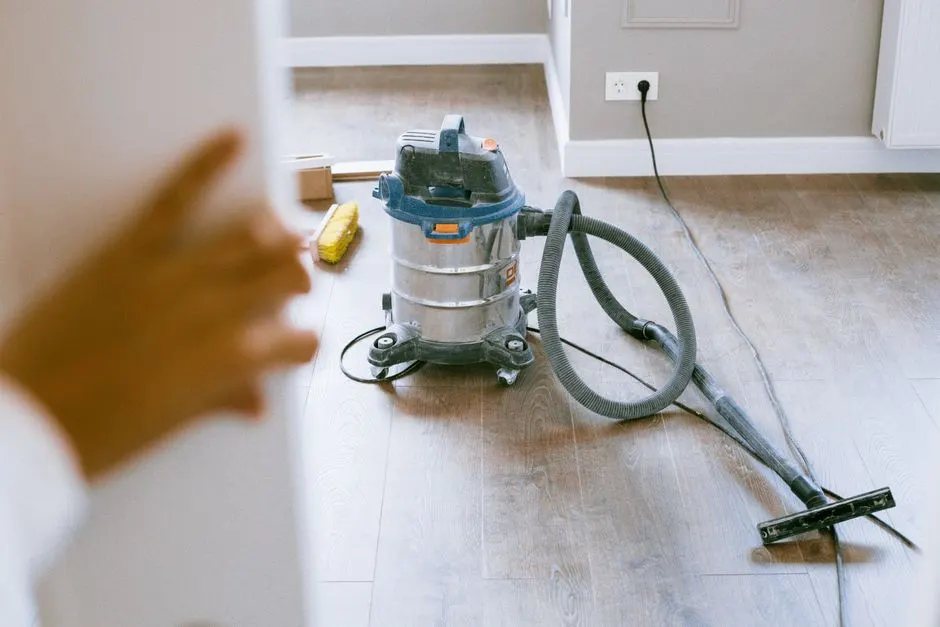
Industrial vacuum and negative air machine
Contain dust and loose debris during inspection and removal. The negative air machine keeps air pressure low so particles do not migrate into the living space.
Spray foam removal saw and oscillating multi-tool
Used where foam samples need to be cut for identification or where access requires trimming. These tools let us inspect behind foam without damaging timbers.
Dry ice blasting machine
Our preferred removal method for closed cell foam on rafters. Dry ice pellets freeze and lift the foam without abrasion, leaving the timber surface intact.
Sand blasting equipment
Brought in where foam is heavily bonded to masonry or timber and dry ice alone will not shift it. Abrasive media is used with full containment.
Visual foam identification
We distinguish open cell from closed cell foam by texture, density and colour, and note the brand where labels or spray patterns are visible. This determines the removal method, the equipment needed and the likely cost.
Moisture mapping
Readings are taken at multiple points across the rafters and wall plates, not just one spot. Mapping shows whether damp is localised or widespread, which changes the recommendation from a repair to full removal.
Ventilation assessment
We check eaves vents, air bricks and roof void airflow to see whether the roof can breathe. Foam that blocks ventilation is a problem even when it is dry, because moisture will build up over time.
Lender-format reporting
Our reports follow the structure lenders and valuers expect: property details, foam type, coverage, moisture readings, timber condition and recommendation. That format reduces back-and-forth and speeds up a mortgage decision.
01
What we do: We carry out an urgent assessment, usually within 48 hours, and report on foam type, coverage and timber condition. The report goes to your lender and solicitor so the purchase can proceed or be renegotiated with facts.
→ You know whether the foam is a minor issue or a removal job, and you have a figure to negotiate with before exchange.
02
What we do: We inspect the rafters and eaves, take moisture readings and look for early signs of rot. If the foam is sound and the timbers dry, we tell you to leave it and monitor. If not, we quote removal.
→ You get a clear yes or no on the condition of your roof, plus a baseline record for future checks.
03
What we do: Our assessment documents existing insulation, ventilation and any contamination so your designer or installer can plan around real conditions. We flag anything that would affect Building Regulations compliance.
→ Your project starts with accurate information, avoiding costly surprises once the plasterboard comes down.
04
What we do: We assess the property, photograph the foam and produce a report formatted for insurers. Multiple properties can be assessed in one visit to keep costs down.
→ You satisfy the insurer, protect your cover and have a maintenance record for the property.
Wickford sits in Essex with a mix of 1960s to 1980s housing and newer developments, and the roof spaces vary a lot. Older homes near the town centre often have shallow lofts with limited headroom and original timber rafters, while properties in Ramsden Bellhouse and Downham tend to have larger, steeper roofs. The climate is typical Essex: mild, damp winters and warm summers, which means moisture management matters more than extreme cold. We see a lot of spray foam in loft and cavity walls, and the most common problem is closed cell foam applied directly to rafters with no ventilation gap. If you need an insulation survey in Wickford Essex, we check the eaves, measure moisture and tell you whether the roof can stay as it is. We also cover Shotgate, Runwell and Battlesbridge, and we know which streets have had cavity wall foam installed.
Wickford Town Centre
Older terraced and semi-detached homes with shallow lofts and original rafters. Access can be tight, so we plan the inspection around what is reachable without cutting.
Shotgate
A mix of post-war housing with cavity walls that have often been filled. We check the inner leaf for moisture where cavity wall spray foam is present.
Ramsden Bellhouse
Larger detached properties with steep roofs and more accessible loft spaces. Foam coverage here is often extensive, so the assessment maps the full roof area.
Hullbridge
Properties closer to the river can see higher humidity, which raises the risk of moisture behind foam. We take extra readings at the eaves and wall plates.
Damp Essex winters with mild temperatures
Moisture builds up in roof spaces without strong ventilation. Foam that blocks airflow traps that moisture against timber, which is why our readings focus on the rafters and eaves.
Pre-1980 housing stock with shallow lofts
Access is limited and rafters are often thinner than modern equivalents. We plan inspections to avoid unnecessary cutting and to keep the roof structure intact.
Widespread cavity wall spray foam
Cavity foam is hidden, so we use a borescope and moisture readings at the inner leaf. If the cavity is not draining, we report it and plan extraction.
Mortgage lenders active in the area
Lenders in Essex routinely flag spray foam at valuation. Our reports are written to answer their questions directly, which speeds up the lending decision.
Most people book an assessment because something has already gone wrong, or because a lender has raised a question. These are the situations we deal with most often in Wickford.
Problem
The purchase stalls, the seller gets nervous and you risk losing the property or paying for a second valuation. Without evidence of condition, lenders default to refusal.
Our Fix
We assess the foam and timbers, document moisture levels and coverage, and produce a report your lender can act on. Where removal is needed, we quote it from the same report so the lender sees a clear path to a sound roof.
Problem
Ignored, it spreads to plasterboard, joists and insulation, turning a small repair into a full roof and ceiling replacement. The cause is usually foam trapping moisture against the rafters.
Our Fix
Our assessment traces the moisture to its source, whether that is failed foam, blocked eaves vents or a roof defect. We report the cause and the fix, then carry out removal or ventilation work as needed.
Problem
Without knowing the foam type or installer, you cannot tell whether it is safe, whether it is causing rot, or what removal would cost. Surveyors flag it as an unknown risk.
Our Fix
We identify the foam by sight and sample where needed, check the timbers for decay, and give you a written record. That record replaces the missing paperwork and gives future buyers something to rely on.
Problem
Foam installed badly or in the wrong place can reduce ventilation without improving thermal performance, leaving rooms cold and damp. You pay for heating you do not benefit from.
Our Fix
An insulation evaluation Wickford-wide measures what is actually there and where the gaps are. We report the real thermal picture and recommend whether to top up, remove or reconfigure the insulation.
A proper assessment turns a vague worry about spray foam into a clear plan. These are the four outcomes Wickford homeowners get from ours.
Unblock your mortgage
Mortgage refusal due to spray foam is common when a lender cannot confirm the roof structure is sound. Our report documents the foam type, coverage and timber condition, giving your lender or valuer the evidence needed to progress the application instead of declining it.
Catch roof rot early
Spray foam causing roof rot is the most expensive outcome we see, and it is almost always hidden until a surveyor probes the timbers. We take moisture readings at rafters and eaves, so decay is caught while it is still a repair rather than a full roof replacement.
Know your removal scope
Before you commission a spray foam insulation assessment Wickford homeowners use to price removal, you need to know the foam type and depth. Open cell and closed cell foam come out differently, and the report tells the removal crew exactly what equipment and time the job needs.
Support a retrofit decision
If you are planning loft insulation, cavity wall insulation or a heat pump, an insulation evaluation Wickford-wide gives you the baseline. We record existing U-values, ventilation paths and any contamination, so your installer designs the upgrade around real conditions rather than assumptions.
Google ★★★★★4.9
Assessed our loft for a remortgage and the report was accepted first time. They found the foam was fine and did not push removal. Honest and quick.
Google ★★★★★4.8
Booked an assessment after a damp patch appeared. They traced it to closed cell foam on the rafters and quoted removal from the same report. No second visit, no hard sell.
Checkatrade ★★★★★4.9
Three rental properties assessed in one morning. Reports were clear and formatted for the insurer. Good communication throughout and fair pricing.
Google ★★★★★5.0
We were worried about roof rot after buying a house with spray foam. The assessment found early decay in two rafters and they fixed it without replacing the roof. Saved us thousands.
Spray Foam Removal Wickford has been assessing and removing spray foam since 2022, and in that time we have surveyed lofts, rafters and cavity walls across Wickford, Shotgate, Runwell and South Woodham Ferrers. Our technicians are trained in confined-space inspection, moisture diagnostics and foam identification, and we work to BPCA, CHAS, Constructionline and SafeContractor standards. We also hold NVQ and CITB qualifications relevant to insulation and demolition work. That means the person in your loft knows the difference between open cell and closed cell foam by sight and touch, and can tell you what it means for your roof.

Real answers to the questions we hear most often from local homeowners and property managers.
If your assessment recommends removal, our local crew can take the foam out without a second site visit. We cover Wickford and the surrounding villages, and we price the removal directly from the assessment report so you know the full cost before you commit.
View Spray Foam Removal near meWhen a mortgage deadline or a leak forces the pace, we can sometimes remove spray foam the same day as the assessment. It depends on access and foam type, but we will tell you honestly on the phone whether a same-day slot is realistic for your Wickford property.
View same day Spray Foam RemovalWater ingress through failed foam can escalate fast. Our 24/7 line is for urgent situations where foam has to come out before further damage occurs. We assess first where possible, but we can mobilise out of hours for active leaks in Wickford and nearby.
View 24/7 Spray Foam RemovalMost of our Wickford work is residential: lofts, rafters and cavity walls in houses and bungalows. The assessment tells us whether the foam is open cell or closed cell, which decides the removal method and how much of your loft we need to clear.
View Residential Spray Foam RemovalWarehouses, workshops and commercial units in Wickford often have spray foam on large roof areas. We assess coverage, access and fire risk first, then plan removal around your operating hours so the building stays usable during the work.
View Commercial Spray Foam RemovalLoft spray foam is the most common finding in our Wickford assessments. Once we have identified the foam and checked the timbers, removal is usually a one to two day job using a spray foam removal saw and industrial vacuum to keep dust contained.
View loft spray foam removalCall us on 03335672543 or email info@sprayfoamremovalwickford.com and we will get back to you the same working day. We cover Wickford and the surrounding Essex villages, and our phone line is open 24/7 for urgent jobs. Free assessments are usually booked within 48 hours.
Phone
03335672543Address
6 Station Approach, Wickford SS11 7AT, United Kingdom, Wickford, Essex
Hours
Mon–Fri: 7AM – 7PM
Sat: 8AM – 4PM
Sun: Emergency Only
24/7 Emergency Available