
Free survey and fixed quote
We visit your Wickford property, measure the foam, identify open cell or closed cell, and check for damp or rot. You get a fixed written price the same day. No charge, no obligation, no pressure to book.
Every job includes the survey, the removal, the clean-down and a written summary. What changes is the foam type and the access. Here is what is covered as standard, and what we quote separately if your loft needs it.
We visit your Wickford property, measure the foam, identify open cell or closed cell, and check for damp or rot. You get a fixed written price the same day. No charge, no obligation, no pressure to book.
We remove all accessible spray foam from rafters, loft floors, gable ends and cavity walls using saws, multi-tools and industrial vacuums. Closed cell residue is scraped or blasted back to a clean timber face.
Floors, stairwells and stored items are sheeted before we start. A negative air machine and industrial vacuum run throughout, and the loft hatch is sealed with a zip door. Your house stays as clean as we found it.
With the foam out we inspect every rafter and the roof felt, photograph anything soft or discoloured, and confirm the eaves vents are clear. You get a short written summary for your lender, insurer or roofer.
All foam waste is bagged, removed from site and disposed of responsibly. We vacuum the loft, sweep the access route and leave the space ready for new insulation. Most customers reinsulate the following day.
Before-and-after photos plus a one-page summary of what was removed and what condition the timbers are in. This is the document mortgage lenders and surveyors ask for, and it goes out within 24 hours of completion.
Spray foam insulation removal in Wickford, Essex means physically cutting, scraping and vacuuming out cured polyurethane foam that was sprayed into lofts, rafters or cavity walls. We use a spray foam removal saw and an oscillating multi-tool to slice through the foam without damaging timbers, then an industrial vacuum and negative air machine to capture dust and isocyanate particles. Open cell foam comes out faster than closed cell, which is denser and often bonded hard to roof felt. Every job starts with an insulation assessment so we know exactly what we are cutting into.
Most Wickford homeowners call us for one of three reasons: a mortgage lender has refused the property because of spray foam in the loft, damp is appearing on ceilings because foam has sealed the roof, or a surveyor has flagged spray foam in roof rafters as a risk. If you are searching for spray foam insulation removal near me Wickford, you are in the right place. We also work with buyers in North Benfleet Essex and the surrounding villages who need a clean report before completion.
Every job follows the same five stages, whether it is a single loft in Shotgate or a warehouse roof in Rettendon. You get a fixed price after the survey and a clean site at the end.
Schedule
Call or book online — a real human picks up and confirms a 2-hour arrival window.
Diagnose
Licensed tech inspects on-site, then walks you through the cause and your options.
Fix
The job is completed to code and done right the first time — no shortcuts, no surprises.
Guarantee
Every job backed by a written workmanship warranty — and we stand behind it.
Spray foam removal saw
Cuts through thick closed cell foam in straight lines without chewing into the timber underneath. Used for the bulk of the removal on rafters and loft floors.
Oscillating multi-tool
Gets into rafter bays, corners and around pipes where a saw will not fit. Essential for the last few millimetres of foam bonded to timber.
Industrial vacuum
Captures foam dust and isocyanate particles at the cutting head so they never reach the rest of the house. Runs continuously throughout the job.
Negative air machine
Keeps the loft under negative pressure so dust travels out through the filter rather than down the stairwell. Standard on every residential job we run.
Dry ice blasting machine
Fires dry ice pellets to freeze and lift thin foam residue from delicate surfaces like roof felt, brick and metal without abrasives.
Sand blasting equipment
Strips hard-bonded foam residue from brick, concrete and metal where abrasive media is the only way back to a clean surface. Fully contained with sheeting.
Respirators and protective clothing
Isocyanate dust is not something to breathe. Every technician wears a fitted respirator, coveralls, gloves and eye protection for the whole removal.
Sectional cut-and-vac
We work across the loft in sections, cutting foam back to the timber face and vacuuming as we go. This keeps dust down and means the space is never fully open at once. It is the standard method for open cell foam on rafters.
Dry ice blasting
For closed cell residue and delicate surfaces, dry ice pellets freeze the foam so it lifts cleanly without scratching the timber or felt. No secondary abrasive waste to clear up, which suits occupied homes.
Abrasive media blasting
On brick, concrete and metal we use sand blasting equipment to strip hard-bonded foam back to a clean surface. The work area is fully sheeted and extraction runs throughout, so no dust escapes the containment.
Cavity extraction
For cavity wall spray foam removal we drill at set intervals, extract the foam with specialist tooling, then make good the brickwork. The cavity is checked to confirm it can drain and ventilate again.
Timber inspection and reporting
Every job ends with a rafter-by-rafter inspection, photographs of anything soft or discoloured, and a written summary. This is the step that turns a removal job into a document your lender will accept.
01
What we do: We survey the property, confirm the foam type and coverage, and give you a fixed removal price before you exchange. If the sale depends on it, we can usually fit the work in within a week.
→ You know the true cost before you commit, and your lender gets the report it needs to release the mortgage.
02
What we do: We prioritise lender-driven jobs. Survey within 48 hours, removal booked at the next available slot, report issued within 24 hours of completion. We have done this dozens of times across Essex.
→ The foam is gone, the timbers are documented, and your broker can go back to the lender with evidence.
03
What we do: We remove the foam, check the roof felt and eaves vents, and confirm where the moisture was coming from. Any soft timbers are marked for your roofer before we leave.
→ The roof space dries out, the damp patches stop spreading, and you avoid a much larger repair bill later.
04
What we do: We survey out of hours, price by area, and phase the removal so your operation keeps running. Method statements and risk assessments are provided for your site manager.
→ The roof deck is clean and ready for a new coating or insulation, with no lost operating days.
Wickford sits low and close to the Crouch, so lofts here see more humidity than inland Essex. That matters because closed cell foam traps moisture against roof timbers, and in a damp year the rot moves faster. Most of the housing stock we work on is 1930s to 1970s semis and bungalows with shallow rafters and felt that has already had a hard life. Newer builds around Shotgate and South Woodham Ferrers often have airtight membranes, which changes how we cut and how we ventilate afterwards. We also handle a steady stream of mortgage lender spray foam removal jobs, where the buyer needs the foam out and a report back before completion. If you are searching for spray foam insulation removal in North Benfleet Essex or anywhere along the A129 corridor, our vans are usually with you within 20 minutes. Winter is our busiest season because damp shows up first on cold ceilings, but we run surveys all year.
Wickford Town Centre
A mix of older terraces and 1930s semis with shallow lofts. Access is usually through a hatch in a bedroom cupboard, so we bring short ladders and compact extraction kit.
Shotgate
Post-war semis with felt roofs that have often been recoated. Foam here tends to be closed cell and bonded hard, so dry ice blasting is frequently needed on the final pass.
South Woodham Ferrers
Newer builds with airtight membranes and tight rafter bays. We cut more carefully here and pay close attention to ventilation once the foam is out.
Rettendon
Larger detached homes and a few commercial units. Bigger roof spaces mean longer jobs, so we schedule two to three days and phase the work.
Hullbridge
Properties close to the river see more humidity. We check roof felt and eaves vents carefully here because trapped moisture does the most damage in these homes.
High humidity near the River Crouch
Moisture trapped by closed cell foam accelerates timber rot in Wickford lofts. We inspect every rafter closely and prioritise reopening ventilation on the river-side villages.
Older felt roofs on 1930s housing
Felt can be brittle and tear when foam is pulled away. We cut in sections and support the felt as we go, flagging any area that needs replacing before reinsulation.
Airtight membranes on newer builds
Foam bonds to the membrane and can damage it on removal. We use multi-tools rather than saws in these lofts and check the membrane is intact before we leave.
Mortgage deadline pressure
Many Wickford jobs are driven by a lender's deadline. We hold emergency survey slots and issue reports within 24 hours so the purchase can keep moving.
Spray foam causes a small number of very specific problems, and they all get worse with time. If any of these sound familiar, a survey will tell you exactly what you are dealing with.
Problem
The sale stalls, your buyer pulls out, and you are back to viewings. Lenders treat spray foam in the loft as a structural risk until it is removed and the timbers are inspected.
Our Fix
We remove the foam, photograph the timbers and issue a lender-ready report within 24 hours. Most Wickford sales complete within two weeks of the removal date. Call us the day the lender raises the issue.
Problem
Foam seals the roof, moisture has nowhere to go, and it starts showing inside the house. Left alone, it reaches the plasterboard and the timbers above it.
Our Fix
We cut the foam out, reopen the eaves vents and let the roof space breathe again. Damp patches usually stop spreading within a few weeks. We flag any timber that needs treating so your roofer can act.
Problem
Spray foam causing roof rot is the worst-case outcome. Rot weakens the rafters that hold your roof up, and repair costs climb fast once the felt is affected.
Our Fix
Our survey identifies rot before we quote. We remove the foam carefully, mark every affected timber, and hand your roofer a clear picture of what needs replacing. Catching it early keeps the repair bill in the hundreds, not thousands.
Problem
Foam that has failed or been partly removed leaves gaps and cold bridges. The loft gets cold, the house loses heat, and your energy bills climb through winter.
Our Fix
Once the old foam is out, we leave a clean, level surface ready for mineral wool or rigid board that meets current building regs. Most Wickford lofts are reinsulated the day after we finish, and the difference shows on the next bill.
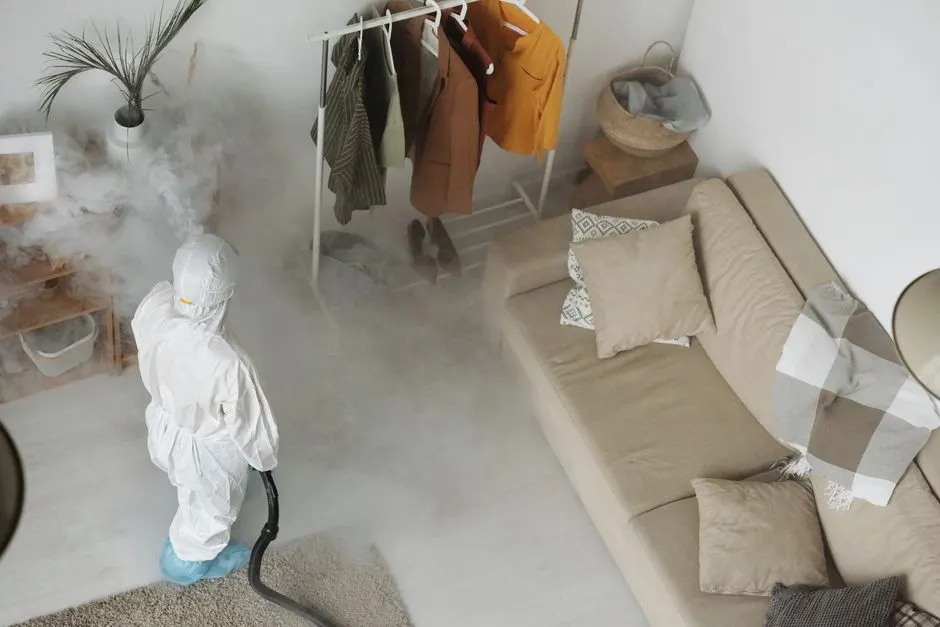
Spray foam does not have to be a permanent problem. Removing it restores airflow, satisfies lenders and protects the timbers that hold your roof up. Here is what you actually gain.
Unblock your mortgage
Mortgage refusal due to spray foam is the single biggest reason we get called out in Wickford. Lenders and surveyors want the foam gone and the roof structure inspected. We remove it, document the timbers and give you a report your lender can work with, usually within one working day of the survey.
Stop roof rot spreading
Spray foam causing roof rot is common when closed cell foam traps moisture against timber. Once we cut it out, air moves again and the rot stops advancing. We mark any soft timbers so your roofer can treat or replace them, and we leave the loft dry and ventilated.
Restore loft ventilation
Foam sprayed between rafters blocks the airflow your roof was designed to have. After insulation foam removal Wickford wide, we clear every rafter bay and check the eaves vents are open. That single change drops condensation on the underside of the roof felt noticeably within a few weeks.
Reinsulate properly
Once the old foam is out, you can fit mineral wool, rigid board or a breathable alternative that meets current building regs. We leave the surfaces clean and level so your chosen insulation goes in without gaps. Most lofts are ready for new insulation the same day we finish.
Google ★★★★★4.9
Removed closed cell foam from our loft in two days. Dust sheets everywhere, no mess in the house, and the report went to our lender the next morning. Mortgage sorted. Would use again without hesitation.
Google ★★★★★5.0
Surveyed on a Friday, removed the foam the following Wednesday. They found two soft rafters we did not know about and marked them for our roofer. Honest pricing and they turned up when they said they would.
Checkatrade ★★★★★4.8
Cavity wall foam out in a day with the tenants still in the property. Made good the brickwork properly and the written summary satisfied our insurer. Already booked them for a second rental.
Google ★★★★★5.0
We were days from losing our buyer when the lender flagged the spray foam. These guys prioritised the job, got it out in two days and issued the report straight away. Cannot fault them.
Real answers to the questions we hear most often from local homeowners and property managers.
If you are searching for spray foam removal near me in Wickford, we cover the whole town and surrounding villages. Same team, same fixed pricing, whether you are in Shotgate or South Woodham Ferrers. Book a survey and we will confirm the nearest available slot.
View Spray Foam Removal near meWhen a mortgage offer is on a deadline, same day spray foam removal in Wickford can save the purchase. We hold emergency slots for surveys and small loft jobs. Call before 10am and we will usually be with you that afternoon.
View same day Spray Foam RemovalWater getting in through a foam-blocked roof does not wait for office hours. Our 24/7 spray foam removal line covers Wickford and Essex for urgent call-outs, including emergency foam extraction after a leak or storm. One call and we arrange the next available visit.
View 24/7 Spray Foam RemovalMost of our work is residential spray foam removal across Wickford, Runwell and Hullbridge. We handle lofts, rafters, dormers and cavity walls in occupied homes, with dust control and clean-down included. Fixed price after survey, no charge for the visit.
View Residential Spray Foam RemovalWarehouses, workshops and agricultural buildings across Essex often have spray foam on roof decks and wall panels. We run commercial spray foam removal around your operating hours, with method statements and CHAS-aligned paperwork for site managers. Survey and quote within 48 hours.
View Commercial Spray Foam RemovalLoft spray foam removal is our most common job in Wickford. We cut foam out from between rafters and off the loft floor, inspect timbers for rot, and leave the space ready for new insulation. Most lofts are cleared in one to two days.
View loft spray foam removalCall us on 03335672543 or email info@sprayfoamremovalwickford.com and we will get back to you the same working day. We cover Wickford and the surrounding Essex villages, and our phone line is open 24/7 for urgent jobs. Free assessments are usually booked within 48 hours.
Phone
03335672543Address
6 Station Approach, Wickford SS11 7AT, United Kingdom, Wickford, Essex
Hours
Mon–Fri: 7AM – 7PM
Sat: 8AM – 4PM
Sun: Emergency Only
24/7 Emergency Available