Spray Foam Removal Wickford
Get Estimate

Thermal spray foam removal in Wickford done properly, start to finish

Loft, rafter and cavity foam stripped out, timber checked, roof left breathing


We handle thermal spray foam removal in Wickford for homeowners stuck with foam that has failed, trapped moisture or stalled a mortgage. Our crews cut out open cell and closed cell spray foam from lofts, roof rafters and cavity walls, then inspect the timber underneath before we leave. Heat based spray foam removal Wickford jobs usually take one to three days, and we work across Wickford, Rettendon and the surrounding Essex villages.

A dramatic industrial fire with flames engulfing machinery in a nighttime scene.
Licensed Licensed & Bonded
Fully Insured Insured & Bonded
24/7 Emergency Same-Day Response
Warranty Backed 4+ Years Trusted in Wickford

What is included in a foam removal job

Every removal we quote includes the survey, the strip-out, the clean, the inspection and the paperwork. There are no hidden extras for skip hire or disposal. If your job needs new felt, replacement rafters or a full re-insulation afterwards, we will tell you at quote stage so you can budget for it.

Free survey and fixed quote

A technician visits, measures the affected area, identifies whether the foam is open cell or closed cell, and takes moisture readings on the timber. You get a written fixed price within the same week, valid for 30 days, with no obligation to book.

Full containment and dust control

Sealed loft hatch, polythene sheeting, negative air machine and industrial vacuum. Technicians wear respirators and protective clothing. Dust and foam particles are extracted rather than settling in your home, and the working area is cleaned before we leave each day.

Foam extraction and disposal

Foam is cut, bagged and removed from site. Disposal goes through licensed waste routes with the transfer documentation included in your job pack. Skip hire is part of the quoted price, not an extra line on the final invoice.

Timber inspection and photo record

Every rafter and section of roof deck is inspected for rot, splits and historic leaks once the foam is clear. You receive dated photographs and a written condition report, which is the document surveyors and mortgage lenders ask for.

Ventilation check and certificate

We confirm the roof space vents correctly for its type, clear blocked eaves vents and re-check moisture readings. You get a removal certificate and a 5-year workmanship warranty on the removal itself, plus a 48-hour skip collection.

What thermal spray foam removal in Wickford actually involves


Thermal spray foam removal in Wickford is the controlled cutting, scraping and extraction of cured polyurethane foam from lofts, roof rafters, attic spaces and cavity walls, followed by a full inspection of the timber and roof structure. Foam is not peeled off like wallpaper. We cut it into manageable sections with a spray foam removal saw and oscillating multi-tool, then pull it free without tearing into the felt, wiring or plasterboard behind it. Everything is bagged and removed from site the same day.

Most foam we pull out of Wickford homes was installed between 2010 and 2018 under a government-backed insulation push. It looked cheap at the time. Fifteen years on, closed cell spray foam has cracked, shrunk away from the rafters and trapped condensation against the roof deck, which is exactly how spray foam causing roof rot starts. If you have been refused a mortgage because of spray foam in the loft, or your surveyor flagged spray foam in roof rafters, we can strip it out and give you a clean, documented roof space.

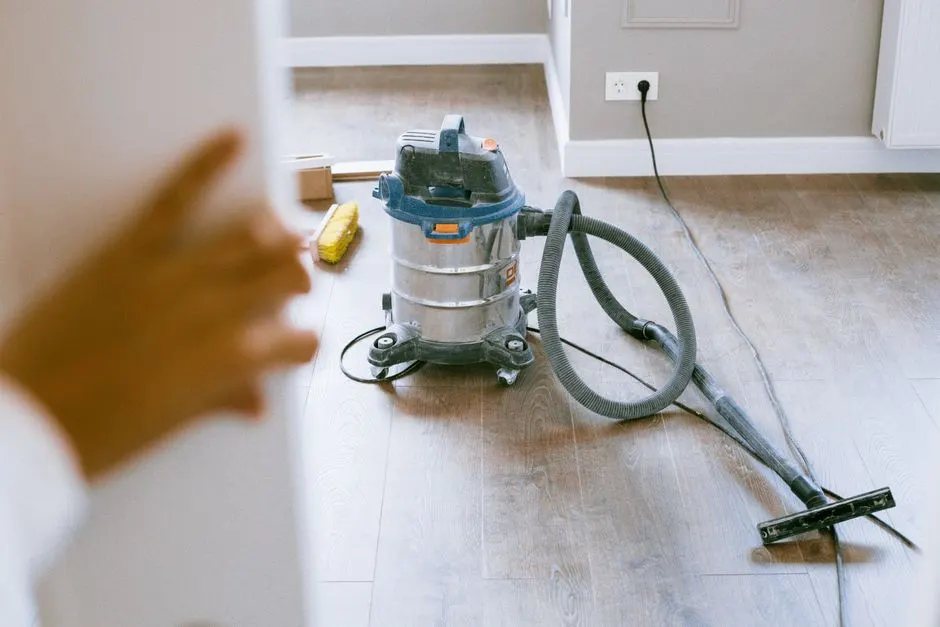
How we run a foam removal job

Every job follows the same five stages. You get a fixed price before we start, and you know which day the skip arrives and which day it leaves.

01

Schedule

Call or book online — a real human picks up and confirms a 2-hour arrival window.

02

Diagnose

Licensed tech inspects on-site, then walks you through the cause and your options.

03

Fix

The job is completed to code and done right the first time — no shortcuts, no surprises.

04

Guarantee

Every job backed by a written workmanship warranty — and we stand behind it.

Tools and methods we use on every job

Tools & Equipment

Spray foam removal saw

Cuts cured closed cell foam into blocks that can be lifted out without tearing the felt or the wiring behind it. The blade depth is set so it stops short of the timber.

Oscillating multi-tool

Gets into rafter gaps, corners and around pipework where a saw will not fit. Used to free the last few centimetres of foam from the timber without marking it.

Industrial vacuum

Clears foam crumbs, dust and debris from the loft floor and between the rafters after the bulk is removed. Runs continuously during the strip-out to keep airborne particles down.

Negative air machine

Pulls air out of the loft and filters it, so dust and foam particles never drift down into the living space. Essential on occupied homes and on any job involving older isocyanate foam.

Dry ice blasting machine

Removes foam residue from delicate surfaces using dry ice pellets rather than abrasive media. Used where a scraper or saw would risk damaging felt, leadwork or old timber.

Sand blasting equipment

Strips foam residue from brick, masonry and concrete using abrasive media. The right method for warehouse walls, outbuildings and any surface where cutting tools cannot reach.

Respirators and protective clothing

Full-face respirators, coveralls, gloves and eye protection for every technician on site. Non-negotiable on isocyanate-based foams and on any job where the foam is being cut rather than pulled.

Methods & Standards

Rafter-by-rafter cutting

We work one rafter at a time rather than clearing a whole roof in one pass. It is slower, but it means every timber is inspected as it is exposed and any rot or historic leak is caught before the next section is cut. On a 60 square metre loft this adds about half a day.

Containment-first setup

The loft hatch is sealed and the negative air machine is running before the first cut is made. Dust control is a setup step, not a clean-up step. On occupied homes this is what keeps the landing carpet and the bedding below free of foam particles.

Moisture mapping before and after

We take moisture readings on the rafters at survey, at handover and, on request, four to six weeks later. The before-and-after numbers are the clearest proof that removing the foam has let the timber dry, and they go into your condition report.

Licensed waste routing

Every bag of foam leaves site through a licensed waste carrier, with transfer documentation included in your job pack. Nothing is fly-tipped and nothing goes into general household waste. You get the paperwork for your records.

When Wickford homeowners call us out

01

A surveyor has flagged spray foam in roof rafters and the lender will not proceed until it is removed.

What we do: We survey within three working days, quote the same week and usually start within seven to ten days. The strip-out takes one to two days on a standard loft, and the condition report is issued at handover so your solicitor can push the sale forward.

→ The buyer's lender gets the documentation it needs, and the sale completes without a price reduction for remedial roof works.

02

A homeowner in Runwell has noticed a damp patch on the landing ceiling above a foam-filled loft.

What we do: We open up the loft, cut back the foam around the affected area and trace the moisture to its source. Often it is condensation against the felt rather than a failed roof, but we check both and photograph what we find before recommending any repair.

→ The source is identified, the foam is removed from the affected rafters, and the ceiling can be repaired knowing the leak is fixed.

03

A landlord in Wickford Town Centre needs a rental property cleared of foam before a new tenancy starts.

What we do: We work to a fixed date, strip the loft in a single day and hand back a clean, documented roof space with the removal certificate. The property is ready for the tenancy inspection without a second visit.

→ The EPC and condition report are updated, the tenancy starts on schedule and the landlord has the paperwork for their records.

04

A warehouse operator near South Woodham Ferrers has foam failing across a large roof deck.

What we do: We phase the removal across evenings and weekends so trading is never interrupted, using sand blasting equipment on the masonry walls and cutting tools on the deck. Waste is removed in stages with full transfer documentation.

→ The roof deck is clear, the insurer's requirements are met, and the building stays open throughout the work.

How thermal spray foam removal runs in Wickford

Wickford sits on the edge of the Essex green belt, and the housing stock reflects it. You have 1930s semis around the town centre with felt-lined pitched roofs, 1970s and 1980s estates in Shotgate and Runwell with trussed rafters, and a scattering of barn conversions around Battlesbridge and Rawreth where the roof structure is older and more irregular. Each roof type vents differently, and that changes how we approach heat based spray foam removal Wickford jobs. Cold, damp winters and warm, humid summers are the worst combination for trapped moisture, and we see more failed foam on north-facing roof slopes than anywhere else. If you are looking for thermal spray foam removal near me Wickford, the survey is where the local knowledge pays off: we check the roof type, the ventilation path and the foam depth before quoting, because a trussed rafter loft and a barn conversion are two very different days of work.

Neighborhoods We Serve

  • Wickford Town Centre

    Mostly 1930s semis and terraces with felt-lined pitched roofs. Foam here is usually closed cell and bonded hard to the rafters, so it needs cutting rather than pulling.

  • Shotgate

    Post-war estates with trussed rafters and shallow lofts. Access is tight, so we use compact cutting tools and flexible extraction hoses to clear the foam without disturbing the ceiling below.

  • Runwell

    A mix of older cottages and newer builds. We often find foam that was sprayed over mineral wool, which means two layers to remove and a full clean-out of the loft floor.

  • Battlesbridge

    Barn conversions and period properties with irregular rafter spacing. Foam here has often been sprayed unevenly, and the roof structure underneath needs a closer look than a standard survey.

  • South Woodham Ferrers

    Larger modern homes and a few commercial units. Foam on warehouse roof decks is common, and those jobs are phased around trading hours.

Local Conditions We Plan For

  • Cold, damp winters with north-facing roof slopes

    North slopes stay wet longer, so foam there traps more condensation and causes rot faster. We prioritise those slopes on the survey and check moisture readings on every rafter along the affected run.

  • Warm, humid summer loft temperatures

    Loft temperatures above 40C accelerate off-gassing in older isocyanate foams and make the smell more noticeable. Summer is when most customers first notice a problem, and it is also when we get the busiest.

  • Mixed roof construction across the town

    Felt-lined pitched roofs, trussed rafters and barn conversions all vent differently. We confirm the ventilation path for your specific roof type before quoting, because the wrong approach leaves the loft damp again within a year.

  • Grant-scheme foam installed between 2010 and 2018

    A large share of Wickford foam came through government-backed insulation schemes. Much of it was sprayed too thick or against a cold deck, which is why so many local homes now have foam that has shrunk, cracked or trapped moisture.

Mortgage refusal reversed in Wickford Town Centre

Before

A 1930s semi with closed cell foam sprayed across every rafter. The buyer's lender refused the mortgage because the roof structure could not be inspected, and the sale had already stalled once. Moisture readings on the north-facing rafters were high enough to suggest early rot.

After

Two days on site stripped 58 square metres of foam. One rafter had minor rot, which was treated and left to dry. The condition report and dated photographs went to the lender, and the sale completed six weeks later without a price reduction.

Maintenance: We re-checked moisture readings four weeks after removal and confirmed the rafters were drying. Keep the eaves vents clear and check the loft once a year for any sign of damp on the felt.

Before

A 1970s semi with open cell foam between the rafters and a musty smell that travelled down to the landing. Stored belongings in the loft had mould on them, and the homeowner assumed the roof was leaking. There was no leak, just trapped condensation.

After

One day to strip and extract, one day to clean and check ventilation. Two blocked eaves vents were cleared. Moisture readings dropped from high to normal within five weeks, and the smell was gone within a fortnight.

Maintenance: Keep the loft uncluttered so air can move between the rafters, and check the eaves vents each autumn before the wet weather arrives.

Before

A 900 square metre warehouse roof deck with foam failing across roughly 60 percent of the surface. The insurer had flagged it as a risk and the operator needed the deck clear without closing the building.

After

Five evening and weekend shifts cleared the deck in phases. Sand blasting equipment was used on the masonry walls and cutting tools on the deck itself. All waste left site with transfer documentation, and the insurer signed off the following week.

Maintenance: Annual roof deck inspections and a check on the wall panels after winter. Any new foam installation should be specified for the roof type rather than sprayed across a cold deck.

Problems we solve with heat based spray foam removal in Wickford

Foam that was sold as a money-saver has become the single biggest hold-up on Wickford property sales. Here are the four problems we are called out for most often, and what happens if you leave them alone.

Problem

Mortgage refused due to spray foam in the loft

The sale stalls, the buyer walks, and you are back to viewings with a surveyor's report that says the roof structure cannot be inspected. Every month the property sits empty costs you money.

Our Fix

We strip the foam out, inspect the rafters and issue a dated condition report with photographs. Lenders and surveyors get the evidence they need to sign the property off, and most of our Wickford customers complete within six weeks of removal.

Problem

Spray foam causing roof rot in the rafters

Closed cell foam traps condensation against the roof deck. Timber stays wet, rot sets in, and by the time you notice a damp patch on the ceiling the damage has spread along several rafters.

Our Fix

We cut the foam away, take moisture readings, and identify which timbers are affected. Minor rot is treated and left to dry. Where a rafter has failed structurally, we flag it before the roof is closed up so your joiner can replace it.

Problem

Damp smell and condensation in the loft

A sealed loft with no airflow grows mould on the underside of the felt and on stored belongings. The smell travels down through the hatch and into the landing, and it gets worse every winter.

Our Fix

Removing the foam restores airflow through the roof space. We clear blocked eaves vents, confirm the ventilation is adequate for the roof type, and check moisture readings before handover. Most customers notice the smell is gone within a fortnight.

Problem

Foam in cavity walls trapping damp

Cavity foam that has slumped or bridged the wall traps moisture against the inner leaf. You get damp patches on internal walls, blown plaster and, in bad cases, failed wall ties that nobody can see.

Our Fix

We extract the foam through drilled access points, check the cavity is clear and confirm the wall can dry. On older Wickford terraces we often find the foam has been sitting against the wall ties for a decade, so we flag anything that needs a follow-up inspection.

Why Wickford homeowners strip the foam out

Why Wickford homeowners strip the foam out

Foam removal is rarely about comfort. It is about moisture, timber condition and whether a lender will sign off on the property. Here is what changes once the foam is gone.

  • Mortgage and survey sign-off

    Lenders routinely refuse mortgages on Wickford homes with spray foam in loft or rafter spaces because they cannot inspect the roof timbers. Once the foam is out, the rafters are visible, the roof can be assessed and your surveyor can report on the actual structure rather than guessing. We photograph every rafter before and after removal.

  • Timber dries out again

    Closed cell foam seals moisture in. When we cut it away, air moves through the loft again and damp rafters start to dry. On a typical Wickford semi we see moisture readings drop noticeably within four to six weeks of removal, provided the roof space is vented correctly afterwards. We check readings on the day and again at handover.

  • Roof structure visible again

    You cannot inspect what you cannot see. Removing spray foam in roof rafters exposes split timbers, loose noggins, perished felt and old water damage that foam has been hiding for years. Finding a cracked rafter early is a few hundred pounds of joinery. Finding it after the roof sags is a full roof replacement.

  • Air quality and smell

    Older isocyanate-based foams can off-gas for years, and a badly mixed batch smells faintly of chemicals in a warm loft. Once the foam is extracted and the space is cleaned with an industrial vacuum and negative air machine, that smell goes with it. Customers in Shotgate and Runwell often mention this as the first thing they notice.

Certifications and reviews

Licensed & Certified

  • SafeContractor — issued by Alcumus
  • CHAS — issued by CHAS
  • Constructionline — issued by Constructionline
  • BPCA membership — issued by British Pest Control Association
  • NVQ and CITB qualified technicians — issued by CITB

Verified Reviews

Google ★★★★★4.9

Foam removed from our loft in two days and the condition report was with our solicitor the same week. The lender accepted it without question. Clean, tidy and the price was exactly what was quoted.

Google ★★★★★5.0

They found rot on two rafters that the foam had been hiding and showed me the photos before they finished. Honest about what needed doing and what could wait. Would use again.

Checkatrade ★★★★★4.8

Worked evenings on our warehouse so we never closed. Waste paperwork handed over the same week and the insurer signed off straight away. Knew exactly what they were doing with the foam type.

Google ★★★★★4.9

Cavity wall foam removed from our terrace. Damp patches on the inside wall have dried out over the last two months. They explained everything clearly and left the house spotless.

Frequently Asked Questions

Real answers to the questions we hear most often from local homeowners and property managers.

How much does thermal spray foam removal cost in Wickford?
Most Wickford loft removals cost between £950 and £2,800 in 2026, depending on the area covered and whether the foam is open cell or closed cell. A standard 60 square metre semi-detached loft sits around £1,400 to £1,900. Cavity wall removal, commercial units and jobs needing new felt or rafters push the figure higher. The survey and written quote are free.
Is thermal spray foam removal safe in Wickford Essex?
Yes, when it is done with proper extraction and containment. We seal the loft hatch, run a negative air machine and wear respirators and protective clothing, so dust and foam particles never reach your living space. Older isocyanate foams are the main concern, and those are exactly the ones we handle with full containment. You can reoccupy the room below the same day.
Does thermal spray foam removal damage materials in Wickford?
It should not, and on our jobs it does not. We cut foam with a spray foam removal saw and oscillating multi-tool rather than pulling it, so felt, wiring, plasterboard and rafters stay intact. If a rafter is already rotten underneath the foam, that is pre-existing damage the foam was hiding. We photograph it and flag it before anything else is touched.
How long does thermal spray foam removal take in Wickford?
A typical loft takes one to three working days. A 60 square metre semi-detached loft is usually a two-day job: one day to strip and extract, one day to clean, inspect and check ventilation. Cavity wall removal and commercial warehouse jobs run longer, often four to seven days. We confirm the exact schedule in your written quote.

Related Services

Spray Foam Removal near me

If you are searching for spray foam removal near me in Wickford, we cover the town and every surrounding village. Same crews, same equipment, same fixed-price survey. Most postcodes in the Wickford area get a site visit within three working days of your call.

View Spray Foam Removal near me

same day Spray Foam Removal

When a surveyor is due or a sale is stalling, we can sometimes get a crew out the same day for smaller lofts. Call before 10am and we will tell you honestly whether a same-day strip is realistic or whether it needs a full day booked in.

View same day Spray Foam Removal

24/7 Spray Foam Removal

Emergency call-outs are mainly for commercial premises where a leak or a failed roof has exposed foam. We run a 24/7 line for Wickford and the surrounding Essex area, and we will tell you on the phone whether the job can wait until morning.

View 24/7 Spray Foam Removal

Residential Spray Foam Removal

Most of our work is residential: lofts, rafters and cavity walls in Wickford semis, terraces and bungalows. We work around your family, seal the loft hatch, and leave the house clean enough to sleep in the same night. Fixed price after a free survey.

View Residential Spray Foam Removal

Commercial Spray Foam Removal

Warehouses, workshops and retail units around Wickford often have spray foam on roof decks and wall panels. We work out of hours to avoid disrupting trading, and we provide the removal documentation your insurer or landlord will ask for.

View Commercial Spray Foam Removal

loft spray foam removal

Loft foam is the single most common job we do in Wickford. We strip open cell and closed cell foam from between and across the rafters, inspect the timbers, and confirm the loft still vents correctly before we hand it back to you.

View loft spray foam removal

Book thermal spray foam removal in Wickford this week

Free survey, fixed written price, and a removal certificate your lender will accept. We have been stripping foam out of Essex roofs since 2022 and we carry a 5-year workmanship warranty on every removal. Call 0333 567 2543 and we will book your survey.

Call 0333 567 2543 Get a free survey

Contact our Wickford team

Call us on 03335672543 or email info@sprayfoamremovalwickford.com and we will get back to you the same working day. We cover Wickford and the surrounding Essex villages, and our phone line is open 24/7 for urgent jobs. Free assessments are usually booked within 48 hours.

Or call us right now at 03335672543 — we answer.

Spray Foam Removal Wickford


  • Phone

    03335672543
  • Address

    6 Station Approach, Wickford SS11 7AT, United Kingdom, Wickford, Essex

  • Hours

    Mon–Fri: 7AM – 7PM
    Sat: 8AM – 4PM
    Sun: Emergency Only
    24/7 Emergency Available

Call 03335672543 Get Quote
Call Quote