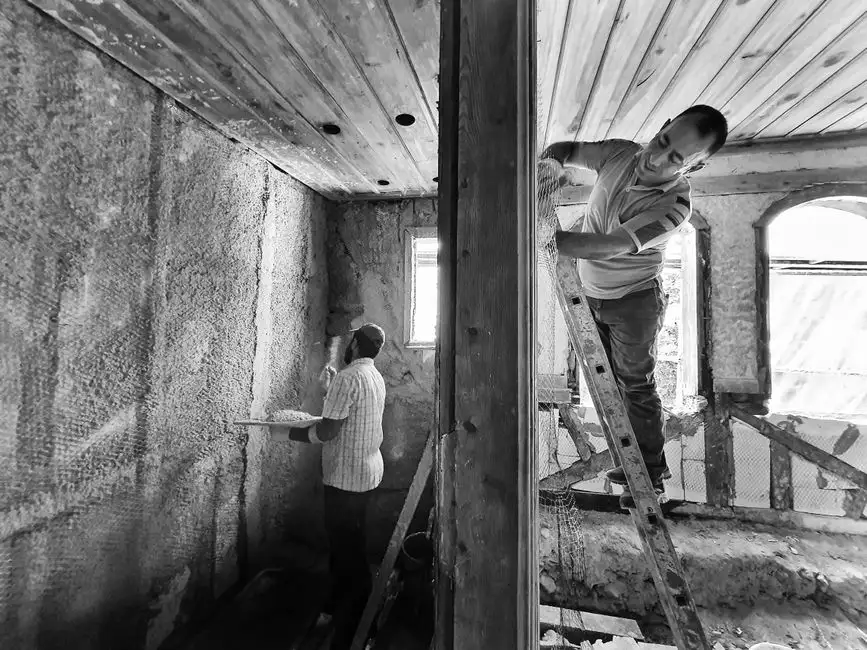
Preparing your home for winter after spray foam removal in Wickford means replacing the insulation you stripped out, sealing the voids the foam left behind, and getting ventilation right before the first frost. Do it in that order and your house will hold heat through January instead of leaking it through a bare loft. Spray foam removal is the extraction of cured foam insulation from lofts, rafters and cavities so a property can be re-insulated, mortgaged or sold. The rest of this post walks through the exact sequence we use on Wickford jobs, from the first cold snap in October through to spring.
Why your home feels colder straight after spray foam removal
Your house feels colder after removal because the foam was doing two jobs at once: insulating and air-sealing. Pull it out and you have a loft full of open rafters, a bare roof deck and gaps around every service penetration. A typical Wickford 1930s semi loses roughly 25% of its heat through an uninsulated roof space, and that figure climbs fast once the foam is gone.
We see this every November. Homeowners call us because the upstairs bedrooms won't warm up, the boiler is running constantly, and the energy bill has jumped £40-£60 a month compared with the same period last year. The foam wasn't the problem in that moment - the empty space it left behind was.
If you are still deciding whether removal is the right move, our team handles spray foam removal near me in Wickford, Essex and can tell you in a single visit whether the foam needs to come out or can stay.
How do I prepare my home for winter after spray foam removal in Wickford?
You prepare by re-insulating the void within four to six weeks of removal, sealing air leaks, checking ventilation, and servicing the heating system before the cold arrives. Leaving a stripped loft open through winter is the single most expensive mistake we see.
Here is the order that works:
- Clear and inspect the void. Our technicians vacuum out foam dust and debris, then check rafters, felt and wiring for damage the foam may have hidden.
- Re-insulate to current standards. Mineral wool or rigid board to 270mm in the loft floor, or 100-150mm between rafters if you are keeping a warm roof.
- Seal air leaks. Gaps around pipes, cables, loft hatches and chimney breasts account for a surprising share of heat loss.
- Check ventilation. Loft vents, eaves gaps and trickle vents need to be clear so moisture can escape.
- Service the boiler and bleed radiators. A system that has been working overtime all autumn needs a proper check before December.
Most Wickford homeowners we work with get steps one and two done in a single day. Steps three to five are usually a weekend of your own time, or a couple of hours for a local tradesperson.
What insulation should I use after spray foam removal in Wickford Essex?
Mineral wool is the right choice for most Wickford lofts after foam removal, with rigid PIR board for rafter-level insulation and breathable membranes where the roof is older. The key is matching the insulation to how the roof was built, not to whatever is cheapest at the merchant.
Three options cover almost every job we do:
- Mineral wool rolls (loft floor). £15-£25 per roll, 270mm depth, easiest DIY option and works with almost any loft.
- Rigid PIR board (between rafters). £30-£45 per sheet, higher performance per millimetre, better if you want to use the loft as a room.
- Breathable multifoil or wood fibre. £20-£40 per square metre, best for older Essex roofs where trapping moisture is a real risk.
We see a lot of Wickford homes where the original foam was installed to fix a cold loft, and the homeowner now wants a proper solution. That is exactly the conversation our insulation assessment in Wickford, Essex is built around - we look at the roof construction, the ventilation path and the budget before recommending anything.
If the foam was in a cavity rather than a loft, the approach is different again. Cavity foam traps moisture against the inner leaf and often has to come out before any new insulation goes in. Our cavity wall spray foam removal in Wickford, Essex service covers that scenario, and we re-insulate the cavity properly once it is clear.
When should I prepare my home for winter in Wickford?
Start in early October and finish by the end of November. That gives you a buffer before the first hard frost, which in this part of Essex usually lands somewhere between the last week of November and the first week of December.
The timing matters because insulation work needs dry, mild conditions. Mineral wool and PIR board both perform badly if they are fitted into a damp loft, and damp lofts are exactly what you get after a wet October. If you have already had removal done, book the re-insulation for the next dry spell rather than waiting until the cold is already here.
For homeowners in the older streets around the town, we often schedule work through Spray foam removal in Wickford Town Centre in September and early October so the new insulation is in before the clocks change. Further out towards the riverside villages, the same window applies - the buildings are older and the wind off the Crouch makes a stripped loft feel colder than the thermometer suggests.
Ventilation, damp and condensation after foam removal
Condensation is the problem that catches people out after spray foam removal, because the foam was often blocking ventilation as well as insulating. Once it is gone, warm moist air from the house can reach cold roof surfaces and condense.
Watch for these signs between November and February:
- Water droplets on the underside of the roof felt or sarking.
- Damp patches on chimney breasts and around loft hatches.
- A musty smell in upstairs rooms that gets worse on cold mornings.
- Mould along the top of external walls, especially in bedrooms.
Fixing it is usually straightforward: clear the eaves vents, fit a breathable membrane if the roof has none, and make sure the loft hatch seals properly. In a handful of cases we recommend a small positive input ventilation unit, which costs £300-£500 fitted and solves the problem in a single afternoon.
Common mistakes we see on Wickford post-removal jobs
The most common mistake is leaving the loft empty through winter to save money on insulation. The second is fitting new insulation over a damp roof deck without fixing the ventilation first.
Others we see regularly:
- Blocking the eaves. Pushing mineral wool right into the eaves stops air moving and creates condensation within weeks.
- Insulating over old foam residue. Any leftover foam dust or residue stops new insulation performing and can trap moisture.
- Ignoring the boiler. A system that has been running flat out all autumn often needs a service and a flush before the coldest weeks.
- Skipping the loft hatch. An uninsulated hatch is like leaving a window open at the top of the stairs.
- Using the wrong insulation for the roof type. A breathable roof needs breathable insulation; a warm roof needs rigid board. Mixing them up causes damp.
None of these are expensive to avoid. They are expensive to fix once the damp has set in.
When to call a professional
Call us if the foam was in a cavity, if the roof deck is damp, if you are selling or remortgaging the property, or if the loft is larger than a standard single. Those four situations almost always need a proper survey before any new insulation goes in.
Spray Foam Removal Wickford handles the full sequence - extraction, inspection, and re-insulation advice - so you are not chasing three different tradespeople in the run-up to Christmas. We work across Wickford and the surrounding villages, and we will tell you honestly if a job is a DIY one.
Frequently Asked Questions
How do I prepare my home for winter after spray foam removal in Wickford?
Re-insulate the stripped void within four to six weeks, seal air leaks around pipes and hatches, clear the eaves vents, and service the boiler before December. Book the insulation work for a dry spell in October or early November so it is in before the first frost.
What insulation should I use after spray foam removal in Wickford Essex?
Mineral wool to 270mm for a standard loft floor, rigid PIR board at 100-150mm between rafters for a warm roof, or breathable wood fibre for older Essex roofs. The right choice depends on roof construction and ventilation, not on price alone.
When should I prepare my home for winter in Wickford?
Early October through late November. That window gives you dry working conditions and gets the insulation in before the first hard frost, which usually arrives in this part of Essex between late November and early December.
Does spray foam removal affect winter heating in Wickford?
Yes. Removing foam without replacing the insulation can add £40-£60 a month to winter heating bills in a typical Wickford semi, because you have stripped out both the insulation and the air-sealing the foam was providing. Re-insulating quickly closes that gap.
Can I just leave the loft empty until spring?
You can, but it will cost you. An uninsulated loft through a Wickford winter pushes the boiler harder, raises bills, and increases the risk of condensation on cold roof surfaces. Re-insulating in autumn is cheaper than repairing damp in spring.
Get help with Spray foam removal in Wickford
If your loft or cavity is still full of foam, or you have had it removed and need the void re-insulated before winter, we can help. Spray Foam Removal Wickford covers extraction, inspection and re-insulation advice across Wickford and the surrounding Essex villages.
Call us on 0333 567 2543 and we will book a visit, look at the roof construction, and give you a straight answer on what needs doing before the cold sets in.