Crays Hill Community Centre
A central reference point in the village. We use it to orient ourselves when a property sits on one of the smaller lanes with no clear street number, and it is a useful meeting point for surveys on the surrounding roads.

Spray foam removal in Crays Hill is the controlled stripping of open cell or closed cell spray foam from lofts, roof rafters, cavity walls and attic spaces, carried out so the building can be surveyed, mortgaged or re-insulated. We have worked across Crays Hill since 2022, and the pattern here is consistent: older properties around Crays Hill Road and Oak Road were foam-insulated in the 2000s and 2010s, often under a grant scheme, and now the same homeowners are being told by lenders that the foam has to come out before a sale completes. Crays Hill Spray foam removal is not a case of hacking at it with a scraper. Closed cell polyurethane foam bonds hard to timber, so we cut it back with a spray foam removal saw and oscillating multi-tool, then finish the surface with dry ice blasting or abrasive media where the rafters need to be clean for an inspection. We cover the full CM11 2AA, CM11 2AB and CM11 2AD area, plus the surrounding villages. If you need affordable Spray foam removal in Crays Hill with a proper paper trail for your lender, we can survey, quote and book you in the same week.
Every job we quote in Crays Hill starts with the same question: is this foam open cell or closed cell, and where has it been sprayed? Open cell comes out of lofts relatively quickly. Closed cell on roof rafters is slower, dustier work. We run all the usual services here, from a one-off insulation assessment through to full warehouse spray foam removal, and we can usually get to a Crays Hill address within 60 minutes for an emergency call-out.
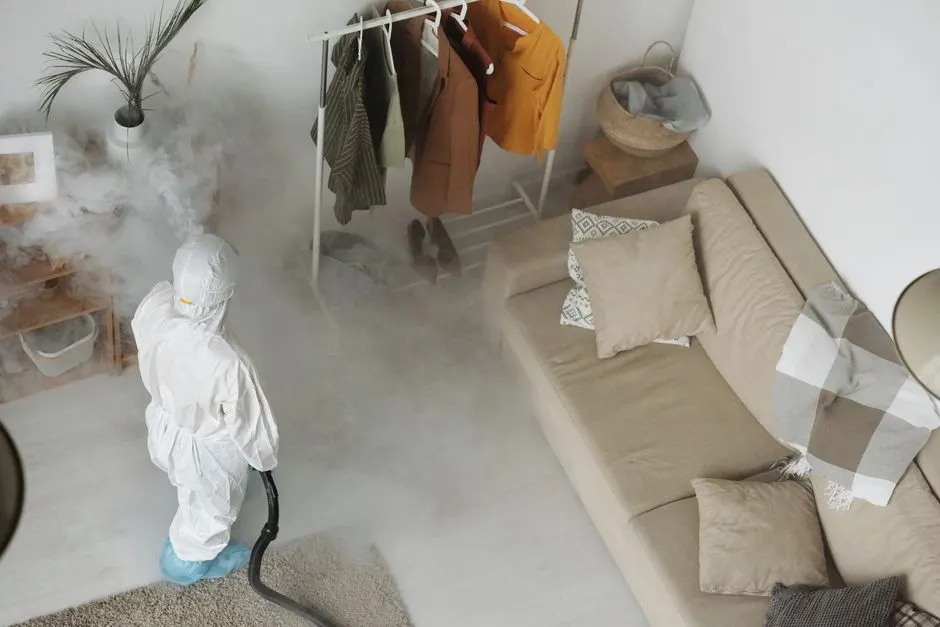




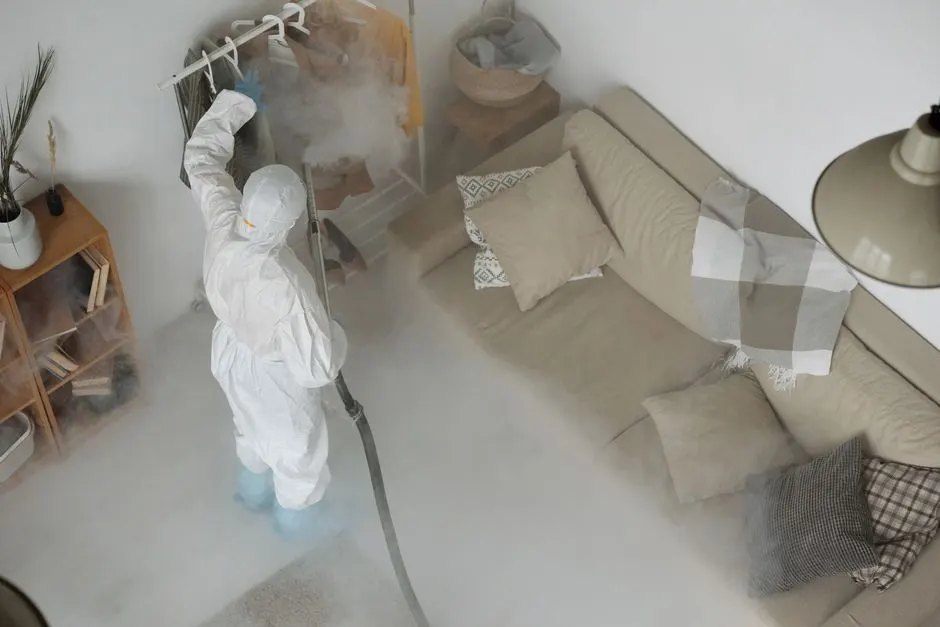






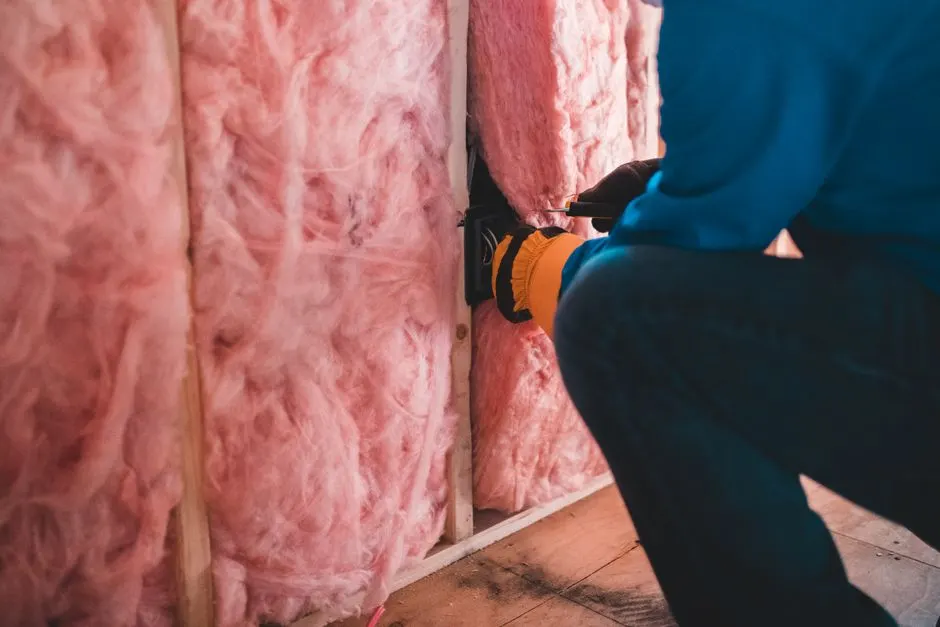


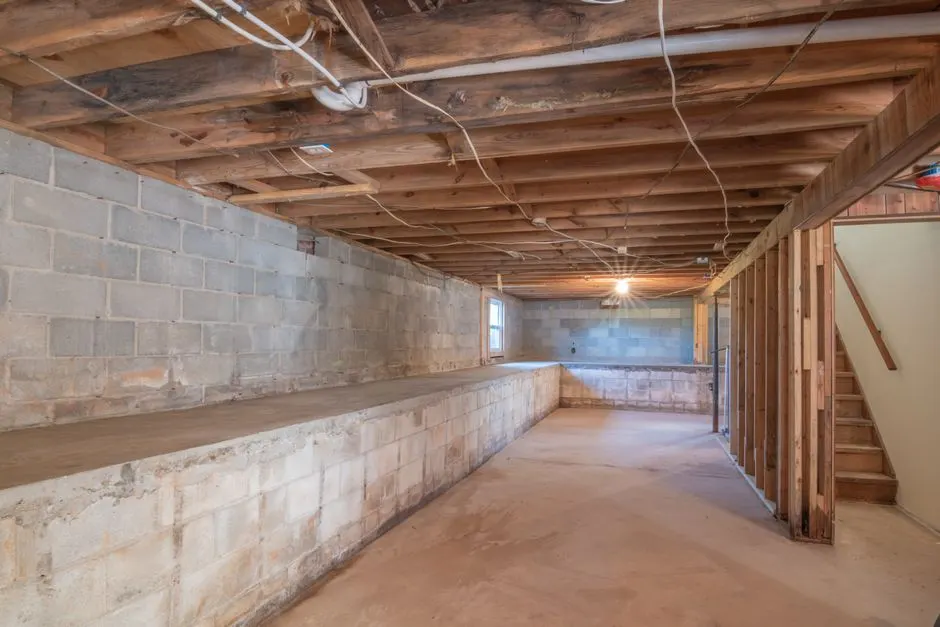
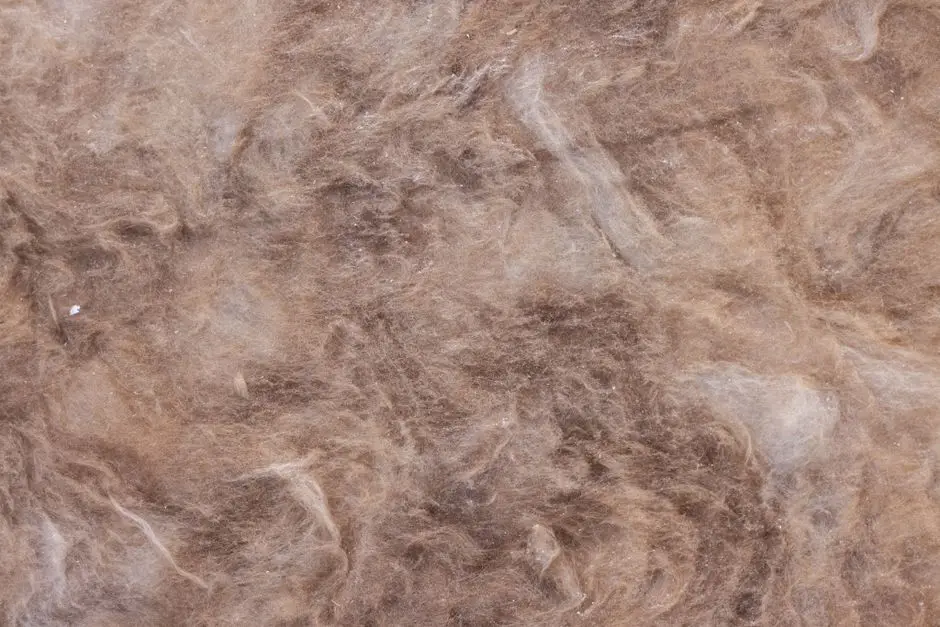


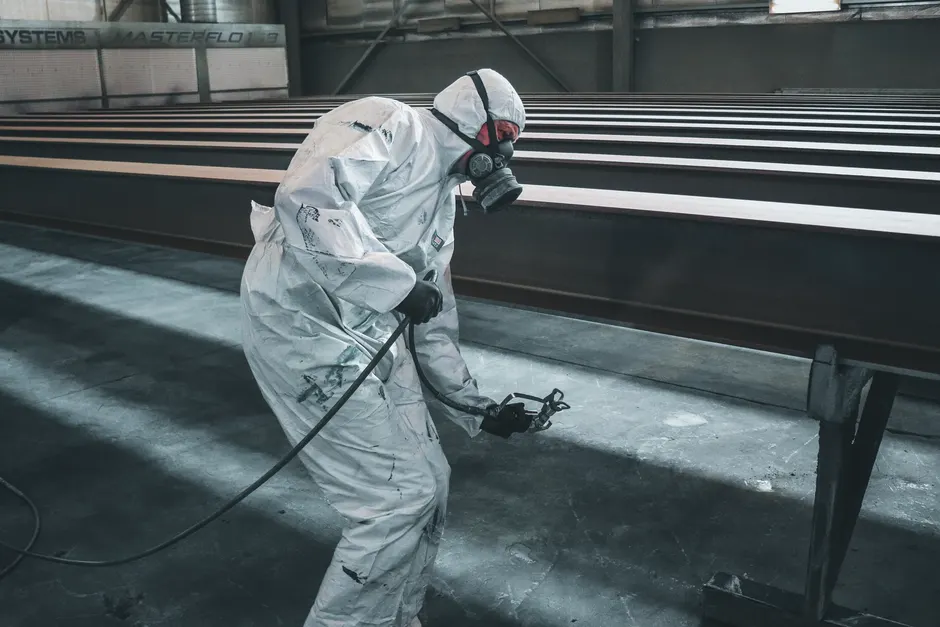
Crays Hill has a particular mix of housing that makes certain foam problems more likely than in a town. There are older cottages with original roof timbers, post-war semis that were insulated under grant schemes, and a growing number of new-builds under the local plan. Add a rural, damp-ish climate and you get a predictable set of issues. Here are the four we see most often.
Lenders treat spray foam on the underside of a roof covering as a risk because it can hide and trap moisture, leading to rot. In Crays Hill, a lot of foam was installed between 2005 and 2015 under grant schemes, and those properties are now changing hands. The surveyor flags it, the lender refuses, and the sale stalls.
Foam sprayed directly onto the back of roof tiles or across rafters blocks the ventilation gap. Moisture from the house rises into the loft, hits the cold foam, and condenses. Over several winters the timber stays damp and rot sets in. Older Crays Hill properties with less modern ventilation are especially vulnerable.
Some Crays Hill properties had foam injected into a cavity that was never designed for it. The foam bridges the gap between the two leaves of the wall and can trap moisture against the inner leaf. If the property has no original damp course, the problem shows up quickly once the foam is in.
Spray foam covers the timber it is applied to. If a rafter, purlin or wall plate has an existing defect, the foam hides it from a surveyor. Buyers in Crays Hill sometimes complete a purchase only to discover a problem that was invisible under the foam. It is one of the reasons lenders are cautious.
Not every foam installation is a problem, but in Crays Hill the same handful of triggers come up again and again. If any of these sound familiar, it is worth getting an assessment before a surveyor or lender does it for you. The earlier you catch it, the cheaper the fix. Searching for spray foam insulation removal near Crays Hill usually means one of these five things has already happened.
A mortgage lender has refused your application
This is the most common trigger. A surveyor flags spray foam on the roof timbers, the lender treats it as an unacceptable risk because it can trap moisture and cause rot, and the application stalls. It needs to come out before the lender will reconsider.
Damp or condensation in the loft
Foam sprayed across rafters blocks the ventilation path. Moisture from the house rises into the loft, cannot escape, and starts condensing on the cold side of the foam. Left long enough, that moisture soaks into the timber and you get rot.
Dark staining or soft patches on roof timbers
If you can see dark staining on the rafters, or a screwdriver pushes into the timber more easily than it should, the rot has already started. That is urgent. Removal plus a timber treatment is the only sensible route at that point.
Foam is cracking, crumbling or falling away
Older foam goes brittle. When it starts cracking and shedding dust, it is no longer doing the insulation job it was installed for, and the dust can be a nuisance in a living space. Removal and replacement with a breathable system is usually the answer.
You are buying a property with spray foam
If you are in the middle of a purchase and the survey has flagged foam, get an assessment before you exchange. Knowing the removal cost upfront puts you in a position to negotiate, rather than discovering the problem after completion when the lender pulls the offer.
Crays Hill is a small village with a rural feel, and sat-nav does not always get you to the right gate. We use local landmarks to orient ourselves: Crays Hill Community Centre as the central reference point, St Mary's Church for the older end of the village, The Crown Pub for the junction where several lanes meet, and Crays Hill Industrial Estate for the commercial side. Southend Arterial Road runs close by and is our main route in from Wickford and the A127.
A central reference point in the village. We use it to orient ourselves when a property sits on one of the smaller lanes with no clear street number, and it is a useful meeting point for surveys on the surrounding roads.
Marks the older, historic end of the village. Several period properties with original roof timbers sit within a few hundred metres, and knowing the church location helps us find the right turning off the main road.
Sits at a junction where a number of lanes converge. It is a handy waypoint for our drivers when a Crays Hill address is described by the nearest crossroads rather than a street name.
The main commercial cluster in the village. Useful for orienting commercial jobs and for confirming which service road leads to a specific unit before we arrive with equipment.
ZIP coverage on request — call to confirm.
Crays Hill sits in a low-lying, rural part of Essex, which means damp winters and warm, humid summers. Both matter for spray foam. The foam itself does not care about the season, but the moisture it traps does. Autumn and winter are when condensation problems show up. Spring and summer are when people sell houses and surveyors start flagging foam. Here is how the year typically runs.
Spring is when the housing market picks up and surveyors start flagging foam on properties that have been quietly sitting on the market over winter. We get a spike in mortgage-related removal enquiries from March onwards. Damp patches that were hidden by cold weather also become visible as the loft warms up.
Tip: If you are planning to sell this year, get an insulation assessment done in spring. Finding out now gives you time to remove the foam before a buyer's surveyor does it for you, which puts you in a much stronger negotiating position.
Warm, humid summer air in a loft with blocked ventilation is a recipe for condensation on the cold side of the foam. It sounds counterintuitive, but summer is when a lot of hidden moisture damage accelerates. It is also the easiest time of year to work in a loft, so removal jobs are quicker and less disruptive.
Tip: Summer is the best window for a full roof strip-out. The loft is workable, the timber dries out faster after removal, and any new insulation can be fitted straight away. Book early, because July and August fill up.
As temperatures drop, condensation starts forming on foam again and any damp smell in the loft becomes obvious. This is when homeowners in Crays Hill notice dark staining on rafters for the first time. It is also the start of the run-up to Christmas, when people want jobs finished before the holidays.
Tip: If you have spotted staining or a damp smell, get it assessed in autumn rather than waiting for winter. Rot spreads faster in cold, damp conditions, and a small problem in October can be a bigger one by January.
Winter is peak season for emergency call-outs. Leaks tracking through foam, storm damage to roofs with foam on the underside, and surveyors working to tight deadlines before the end of the tax year all drive demand. Cold lofts are slower to work in, and we allow extra time for setup and for the timber to dry.
Tip: If a leak is tracking through foam, call us straight away on 03335672543. We run 24/7 cover across Crays Hill, and getting the foam out quickly limits how much water sits against the timber. Do not wait until spring.
Crays Hill sits in the middle of a cluster of villages and small towns, and we cover all of them from the same base. If you are in Wickford, Billericay, or any of the villages along the A129 and A127, we can get to you quickly and often on the same day. No sub-contractors, no franchise vans.
(City)
Our home base, roughly 10 minutes from Crays Hill. Most of our equipment and waste runs go through Wickford, so Crays Hill jobs are usually scheduled alongside Wickford work.
View Wickford Town Centre(City)
A short drive east of Crays Hill, around 10 minutes. We pick up a steady flow of loft and roof foam work here, often for the same mortgage-related reasons as in Crays Hill.
View Runwell(City)
Just north of Wickford, around 15 minutes from Crays Hill. Mostly residential foam removal, with a few commercial units along the main road.
View Shotgate(City)
About 20 minutes east. Larger town with a broader mix of property types, so we see more cavity wall foam work here than in Crays Hill itself.
View South Woodham Ferrers(City)
A rural parish just east of Crays Hill, around 10 minutes. Similar property mix to Crays Hill, with older cottages and a handful of larger detached homes.
View Rettendon(City)
Around 15 minutes southeast. Small village with a mix of period properties and commercial units, and a regular source of loft foam removal enquiries.
View BattlesbridgeReal answers from our team for the questions we hear most often before a job starts.
If a surveyor has flagged foam in your loft, or you have spotted damp staining on the rafters, do not wait for the problem to get worse. We cover every Crays Hill postcode, including CM11 2AA, CM11 2AB and CM11 2AD, and we run 24/7 emergency cover. Call 03335672543 and we will book a survey, give you a fixed price, and tell you honestly what the job involves. No sub-contractors, no day rates, no surprises.
Call us on 03335672543 or email info@sprayfoamremovalwickford.com and we will get back to you the same working day. We cover Wickford and the surrounding Essex villages, and our phone line is open 24/7 for urgent jobs. Free assessments are usually booked within 48 hours.
Phone
03335672543Address
6 Station Approach, Wickford SS11 7AT, United Kingdom, Wickford, Essex
Hours
Mon–Fri: 7AM – 7PM
Sat: 8AM – 4PM
Sun: Emergency Only
24/7 Emergency Available